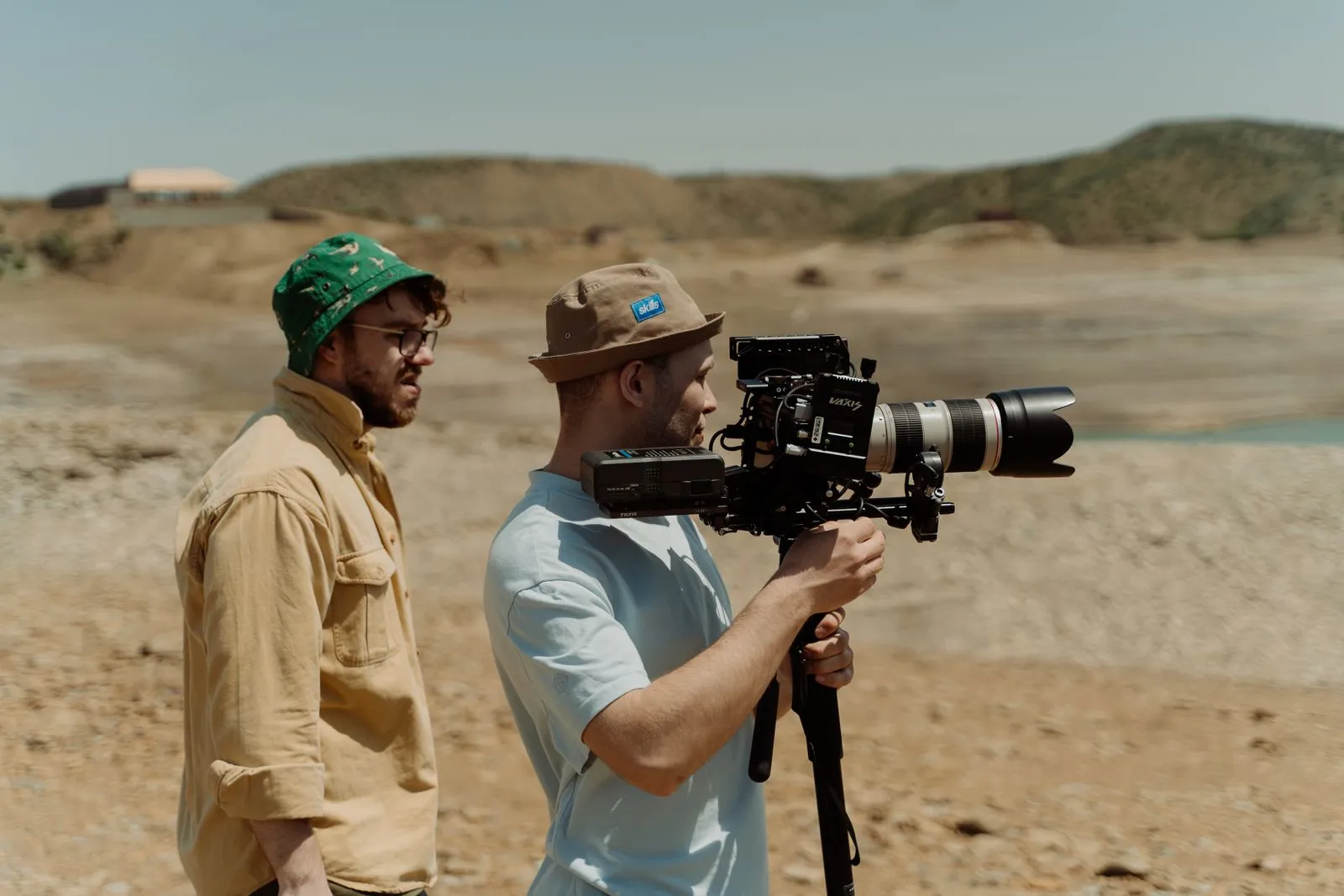
A small video shoot can run smoothly when you make a few decisions before anyone arrives: what the video needs to accomplish, who must be on set, and what the location can support. In Pittsburgh, travel time, parking, building access, and changing weather may affect your plan, especially when moving gear between locations. Keep the shoot focused on a clear deliverable, confirm the practical details early, and leave room in the schedule for setup and retakes.
Define the Shoot and Crew
Start with a one-sentence description of the video and the audience it serves. List the shots or interview answers you need, then separate essentials from optional footage. This keeps the crew from spending time on scenes that will not support the final edit. Share a brief, script, or question list before the shoot so everyone understands the goal and can flag missing details.
For a compact production, assign clear responsibilities rather than assuming someone will handle them. You may need a producer or director to guide the plan, a camera operator, an audio lead, and an on-camera participant. One person can cover more than one role when the setup is simple, but avoid asking the camera operator to monitor critical audio and manage every production detail at once.
Confirm Location Logistics
Choose a location based on the footage you need, not just its appearance. Check background noise, available daylight, outlets, room to position lights, and whether the space can be controlled during recording. Ask about permission, building access, parking, loading, and any rules for filming. In Pittsburgh, confirm the route and arrival instructions with the crew, and allow extra time if you need to unload equipment or cross town.
Visit the location ahead of time when possible, or request current photos and a short walkthrough video. Identify a backup area in case the planned space becomes noisy or unavailable. If filming outside, check the forecast close to the shoot and plan for wind, changing light, and a nearby indoor option. Tell participants where to meet and whom to contact if they run late.
Pack Only What You Need
Build an equipment list from the shot plan. A typical interview setup may call for a camera, lens, tripod, microphone, headphones, and a light with a stand. Bring charged batteries, empty and tested media cards, power supplies, extension cords, and the adapters your devices require. Pack a simple backup for anything essential, especially audio recording, since poor sound can make otherwise usable footage difficult to edit.
Test the full setup before leaving: record a short clip, listen to the audio, review the image, and confirm that files save correctly. Label cards or drives and decide who will make a second copy of the footage after the shoot. Keep gear organized in cases and group items by setup so the crew can move efficiently. If you are working in a shared studio, confirm what equipment is included and what you must bring.
Build a Practical Schedule
Schedule backward from the time you need to finish filming. Include arrival and access, unloading, setup, a sound and lighting check, the main recording, pickup shots, and pack-out. Give each setup a realistic block rather than planning every minute. A small buffer helps absorb a late arrival, a microphone adjustment, or a useful retake without forcing the crew to rush the final shots.
A simple run of show might begin with crew arrival and setup, followed by a technical check and a short rehearsal. Record the most important interview or action first, while participants are fresh, then capture supporting shots and any alternate takes. Before leaving, review the shot list, confirm that the key footage and audio are recorded, and back up the files. Share the schedule and location details with everyone in advance.
A focused shoot depends on a clear deliverable, realistic crew roles, a confirmed location, tested equipment, and a schedule with room to adjust. Write these decisions down and share them before the shoot so the team can arrive prepared. If you need a workspace for production, Steel City Studio can help you explore a suitable setup in Pittsburgh.